A gas tankless water heater costs $1,638 to $1,841 for the unit alone and $3,293 to $3,859 installed, typical about $3,576, per Homewyse's national estimate dated May 2026, based on an 8.5 gallon-per-minute unit. Price moves with flow rate, BTU rating and whether the model condenses its exhaust.
Hot Water Brief is an independent cost-research site. We are not a contractor and do not perform the work ourselves.
That $3,293 to $3,859 figure is one specific configuration, not a flat price for every gas tankless job. Homewyse's national estimate already bundles a gas connection upgraded to 200,000 BTU and a vent ducting upgrade into that total. For the line-item breakdown of what the installed figure includes and what a permit adds on top, see the turnkey installed cost guide; if you are converting an existing tank rather than swapping tankless for tankless, the conversion cost guide prices that premium on its own. This page stays on what size and venting type do to the price.
| Item | Published range | Typical |
|---|---|---|
| Unit only, 8.5 gpm | $1,637.62 to $1,841.03 | about $1,739 |
| Fully installed | $3,293 to $3,859 | about $3,576 |
Source: Homewyse, national estimate dated May 2026, priced on an 8.5 gpm unit at a 35 degree F rise with a 0.92 uniform energy factor.
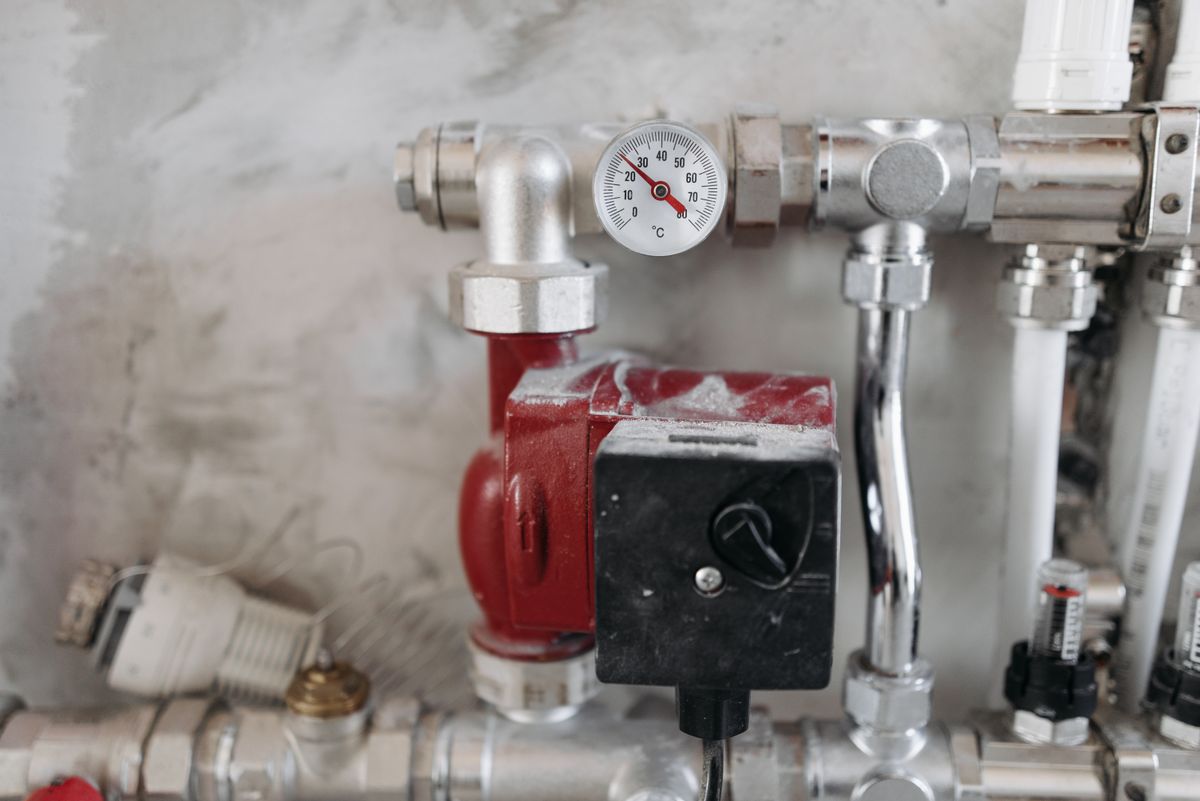
Unit price scales with gallons-per-minute output: Fixr's national breakdown, updated January 31, 2025, prices gas tankless units from $250 to $600 at 2 to 3 gpm up to $900 to $2,000 at 8 gpm and above, before labor. A bigger flow rate means a bigger gas draw, which pushes venting and gas line costs up too.
| GPM output | Unit price, gas | Source, dated |
|---|---|---|
| 2 to 3 gpm | $250 to $600 | Fixr, Jan 31, 2025 |
| 3 to 4 gpm | $400 to $700 | Fixr, Jan 31, 2025 |
| 5 to 6 gpm | $500 to $800 | Fixr, Jan 31, 2025 |
| 6 to 7 gpm | $700 to $900 | Fixr, Jan 31, 2025 |
| 8 gpm and up | $900 to $2,000 | Fixr, Jan 31, 2025 |
Homewyse's $1,637.62 to $1,841.03 unit-only figure, the number behind this page's headline installed price, is based on an 8.5 gpm unit, which sits inside Fixr's 8-gpm-and-up band rather than at the bottom of the market. A household shopping at the 3 to 4 gpm tier for a smaller home is pricing a different, cheaper product, not the same unit at a discount.
Flow rate and BTU input move together. A typical gas storage tank burns 30,000 to 50,000 BTU per hour, while gas tankless units typically run 120,000 to 200,000 BTU per hour, per the Building America Solution Center, updated August 20, 2021. Installation labor adds $500 to $1,500 on top of the unit price depending on fuel type, per Fixr's same January 2025 breakdown, which is roughly the gap between the unit-only figures above and Homewyse's fully installed range.
No single published national figure separates condensing from non-condensing pricing, but the physical difference is documented: a condensing unit cools its exhaust to about 100 degrees F and can vent through PVC, which the Building America Solution Center calls less expensive, while a non-condensing unit exhausts around 300 degrees F and needs Category 3 stainless steel venting instead.
That vent material swap is where the two types genuinely diverge on price. Stainless steel venting costs more to buy and to run than PVC, though no dated national source breaks that gap into its own dollar figure the way it prices the appliance itself.
Efficiency rating is a usable stand-in for which type is being priced. Homewyse's national installed job assumes a 0.92 uniform energy factor, which is condensing-tier efficiency, above the federal minimum of 0.80 UEF that applies to any gas-fired instantaneous water heater over 50,000 BTU per hour, per 10 CFR 430.32(d). Rheem's own lineup shows the same split in a real pair of models: its RTGH condensing series is rated 0.93 UEF, using up to 34 percent less energy than a standard 50 gallon tank, against 0.82 UEF and up to 25 percent less energy for its RTG non-condensing series, both per Rheem's press release dated August 1, 2023. In practice, the widely quoted $3,293 to $3,859 installed figure most cost guides lead with is already pricing a condensing-grade unit, not the cheaper non-condensing floor.
| Measure | Condensing | Non-condensing | Source, dated |
|---|---|---|---|
| Exhaust temperature | about 100 degrees F | about 300 degrees F | BASC, Aug 20, 2021 |
| Venting material | PVC, called less expensive | Category 3 stainless steel | BASC, Aug 20, 2021 |
| Example model UEF (Rheem) | 0.93, RTGH series | 0.82, RTG series | Rheem, Aug 1, 2023 |
No. Gas tankless costs roughly twice as much installed: $3,293 to $3,859 against $1,642 to $1,925 for electric, both per Homewyse, May 2026. The unit alone is pricier too, $1,638 to $1,841 against $886 to $996. Most of the gap is supporting work, not the appliance.
| Fuel | Unit only | Fully installed | Typical installed |
|---|---|---|---|
| Gas tankless, 8.5 gpm | $1,637.62 to $1,841.03 | $3,293 to $3,859 | about $3,576 |
| Electric tankless, 5.3 gpm | $886.17 to $996.24 | $1,642 to $1,925 | about $1,784 |
Source: Homewyse gas tankless and Homewyse electric tankless, both national estimates dated May 2026.
Homewyse's priced gas job folds a gas connection upgraded to 200,000 BTU and a vent ducting upgrade into that total. The priced electric job assumes three 40 amp 240 volt circuits are already available and explicitly excludes electrical modifications and permit fees. Either assumption not holding for a given house pushes the real quote toward, or past, the top of its range. The electric tankless cost guide covers that side of the comparison in more depth.
Not by a fixed margin. Gas tankless has a lower federal minimum efficiency rating, 0.80 UEF against 0.91 to 0.92 for electric, per 10 CFR 430.32(d). But piped gas costs less nationally per unit of energy than electricity, $19.83 per thousand cubic feet against 18.44 cents per kWh, per the EIA, May 2026.
| Measure | Gas tankless | Electric tankless | Source, dated |
|---|---|---|---|
| Federal minimum UEF | 0.80 | 0.91 to 0.92 | 10 CFR 430.32(d) |
| National average fuel price | $19.83 per thousand cubic feet | 18.44 cents per kWh | EIA, May 2026 |
| ENERGY STAR saving vs same-fuel storage tank, family of four | $95 a year | not published | ENERGY STAR |
Source: 10 CFR 430.32(d), eCFR mirror, accessed August 2026. EIA natural gas price, May 2026. EIA electricity price, May 2026.
ENERGY STAR publishes a running-cost saving specific to gas: a certified gas tankless unit saves a family of four about $95 a year against a gas storage tank, roughly $1,800 over its 20 year life expectancy, and about $20 a year against a conventional, non-certified gas tankless unit. There is no equivalent ENERGY STAR figure for electric tankless, since the ENERGY STAR water heater program does not cover electric instantaneous units, only high-efficiency gas storage, whole-home gas tankless, solar and high-efficiency electric storage. That is a program design gap, not a claim about how any specific electric tankless model performs.
Every figure on this page is listed here with its publisher and date, so you can check it against the day you are reading this.
Prices move. The dates above are the point of citing them, so check them against the day you are reading this rather than assuming a figure published in May 2026 still holds.
$3,293 to $3,859 nationally, typical about $3,576, per Homewyse's estimate dated May 2026, priced on an 8.5 gallon-per-minute unit at a 35 degree F temperature rise. The unit alone runs $1,638 to $1,841. The rest is labor, mounting, a gas connection upgraded to 200,000 BTU and a vent ducting upgrade, all bundled into that installed figure.
Yes. Fixr's national breakdown, updated January 31, 2025, prices gas tankless units from $250 to $600 at 2 to 3 gpm up to $900 to $2,000 at 8 gpm and above, before installation labor, which adds $500 to $1,500 depending on fuel type. Gas tankless units generally run 120,000 to 200,000 BTU per hour, per the Building America Solution Center.
No single national source prices the two separately, but a condensing unit cools its exhaust to about 100 degrees F and can use less expensive PVC venting, while a non-condensing unit exhausts around 300 degrees F and needs Category 3 stainless steel, per the Building America Solution Center, updated August 20, 2021. Homewyse's widely cited installed price assumes condensing-tier 0.92 UEF efficiency.
No. Gas tankless installs for $3,293 to $3,859 against $1,642 to $1,925 for electric, both per Homewyse, May 2026, roughly double at the midpoints. The gap comes mostly from supporting work: gas needs a bigger fuel line and a vent upgrade, electric needs extra 240 volt circuits but no flue.
Not by a fixed margin. Gas has a lower federal minimum efficiency rating, 0.80 UEF against 0.91 to 0.92 for electric, per 10 CFR 430.32(d), but piped gas costs less nationally per unit of delivered energy, $19.83 per thousand cubic feet against 18.44 cents per kWh, per the EIA, May 2026. Local utility rates decide the actual bill.
It depends on how many fixtures run at once and how much flow they draw together. A typical gas storage tank burns 30,000 to 50,000 BTU per hour, while gas tankless units typically run 120,000 to 200,000 BTU per hour, per the Building America Solution Center, updated August 20, 2021. Bigger BTU input generally means a bigger unit price and a larger gas line.
Independent Research
Published ranges for tank and tankless replacement, the failures that justify a repair, and the ones that do not. Sourced, dated, and free to read.